Loading...
Loading...



The compendium relating to "Indian Adventure Tourism Guidelines has been perused. It encompasses Land based, Air based and Water based adventurous activities. Land based Adventure Tourism (15) comprises, All Terrain Vehicle Tours (ATV), Bungee Jumping, Cycling Tours, Camel Safaris, Horse Safaris, Jeep Safaris, Motorcycle Tours, Mountaineering, Nature Walks / Bird Watching, Rock Climbing / Artificial Wall Climbing & Abseiling, Personal Light Electric Vehicle Tours, Skiing / Snow Boarding, Trekking, Wildlife Safaris, Zip Wires and High Ropes Courses. Air Based Adventure Tourism (7) comprises, Hot Air Ballooning, Paragliding / Hand Gliding, Para Motoring, Parasailing, Ski Diving, Air Safaris, Kite Boarding. Water Based Adventure Tourism (7) comprises, Kayaking / Sea Kayaking, Rafting, River Cruising, Scuba Diving, Snorkelling, Water Sports Centres, Essentials. The guidelines are mostly based on providing Standard Operating Procedures Instructions/Risk Mitigation & Emergencies (Qualification for Guides and Instructors for all these adventure tourism) Emergency and Rescues, Safety Briefing, Medical Concerns, Basic Minimum Standards for granting of recognition, Age limit, training, flying permission, equipment's, use of sign board, use of alcohol / drugs, trained manpower, risk management strategy, inspections and maintenances. Insurance Liabilities, Death and Disabilities.
Adventure safety begins long before you reach the trailhead or the water’s edge. At its core, it is about the systematic management of risk through thorough preparation and a realistic assessment of your own abilities. This process starts with detailed planning, which includes studying the terrain, understanding the local weather patterns, and ensuring you have a reliable communication method. A critical rule of thumb is the "buddy system," as venturing into remote areas alone significantly increases the danger if an accident occurs. Furthermore, informing someone back home of your itinerary ensures that help can be dispatched if you don't return on schedule.
Beyond planning, the quality and maintenance of your equipment serve as your primary line of defense against the elements. Using activity-specific, certified gear—such as helmets for climbing or life jackets for rafting—is non-negotiable, and every piece of equipment should be inspected for wear and tear before every trip. This physical preparation must be matched by personal health and skill awareness. It is essential to choose activities that align with your current fitness levels and to maintain your energy through consistent hydration and nutrition. By respecting your personal limits and staying mindful of the environment, you can enjoy the thrill of adventure while minimizing the chance of a preventable emergency.
To dive deeper, adventure safety is built on a philosophy of situational awareness, which means constantly evaluating the changing environment around you. While initial planning provides a roadmap, the real-world conditions—such as a sudden drop in temperature, rising river levels, or unexpected physical exhaustion—require participants to be flexible and humble. This often involves establishing "turn-around times," which are predetermined points in the day where a group agrees to head back regardless of whether they have reached their destination. This mindset prevents "summit fever," a psychological state where the desire to complete a goal overrides sound judgment, often leading to accidents during the descent when energy is lowest.
Furthermore, technical competency is a vital pillar of safety that goes beyond just owning the right gear. It involves mastering the specific skills required for your activity, such as understanding knot-tying for climbers, reading water currents for kayakers, or knowing how to use a topographical map and compass when GPS signals fail. In the event of an emergency, your safety depends on your ability to remain calm and utilize a "STOP" rule: Sit, Think, Observe, and Plan. This prevents the panic-driven decisions that often turn a minor setback into a major crisis.
Finally, the ethical component of adventure safety emphasizes our relationship with the landscape. By adhering to "Leave No Trace" principles and respecting local wildlife and regulations, adventurers ensure that the terrain remains stable and predictable for future visitors. Safety is not just about personal protection; it is about maintaining a respectful harmony with nature, acknowledging that the wilderness is an indifferent environment where your best tools are education, experience, and a high degree of caution
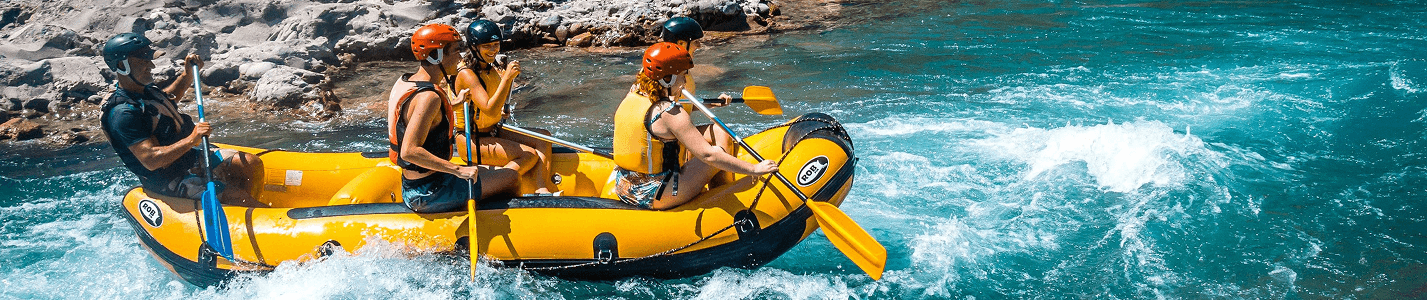
River rafting is an exhilarating outdoor activity, but its safety relies on a blend of disciplined preparation and specialized equipment. To ensure a secure experience, guidelines generally emphasize the importance of professional supervision and personal accountability. Selecting a licensed outfitter ensures that you are accompanied by experts who understand river hydrology and can navigate the specific risks of different rapid classes.Safety is a continuous process that begins long before you hit the water. It involves dressing in quick-drying materials to prevent hypothermia and staying physically alert by avoiding alcohol or drugs. On the water, the primary rule is to remain in the boat and follow the guide’s instructions without hesitation. By combining the right gear with a proactive mindset, rafters can minimize risks like drowning or impact injuries and focus on the thrill of the rapids.
Standard rafting equipment is designed for durability and buoyancy, ensuring that even in turbulent "white water," both the raft and the passengers remain safe and functional.Personal safety gear starts with a Personal Flotation Device (PFD) and a helmet. The PFD is not just a life jacket; it is a high-buoyancy vest designed to keep your head above water even in moving currents. Helmets are mandatory regardless of the water's difficulty to protect against rocks and paddle strikes. The raft itself is made of heavy-duty, tear-resistant materials like Hypalon, often featuring "self-bailing" floors that automatically drain water.
Emergency procedures are built around the concept of "self-rescue" first, followed by professional intervention using specialized tools.In the event of a "Man Overboard" (MOB) situation, the most critical guideline is to stay calm and adopt the Down River Swimmers Position. This involves floating on your back with your nose and toes pointed at the sky and your feet pointing downstream to act as shock absorbers against rocks. Rescue tools like throw bags—bags containing high-visibility floating rope—are used by guides to pull swimmers back to the boat. For more complex situations like a pinned raft, "Z-drag" kits involving pulleys and carabiners are used to create mechanical advantage.
A safety briefing is a mandatory "chalk talk" delivered by the trip leader before anyone enters the water, covering every "what-if" scenario.The briefing is designed to synchronize the crew. It covers basic paddling commands like "Forward," "Back," and "High-Side"—a command used to move everyone to one side of the boat to prevent a flip. Beyond commands, the briefing teaches participants how to "ride the bump" (leaning in when hitting a rock) and what to do if the raft gets stuck. It is the most important part of the trip for first-timers, as it transforms a group of individuals into a coordinated team.
While rafting is generally safe, its remote nature means that even minor medical issues must be disclosed and managed proactively.The primary medical risks are hypothermia, sunburn, and physical impact. Even on hot days, river water can be frigid, leading to rapid heat loss if a rafter spends too long in the water. Furthermore, the physical exertion of paddling can strain those with heart or respiratory conditions. Because rafting often takes place in wilderness areas far from hospitals, guides are typically trained in Wilderness First Aid (WFA) and carry waterproof medical kits to stabilize injuries until evacuation is possible.
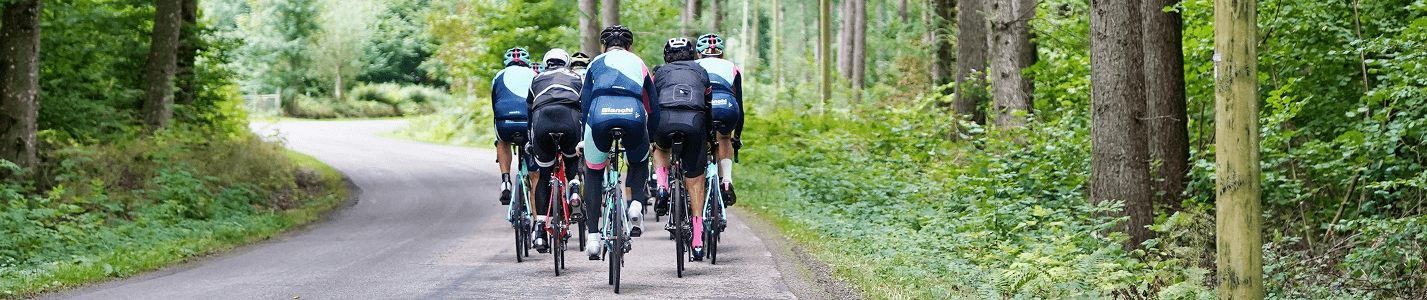
Cycling is a high-energy adventure activity that offers a unique blend of physical challenge and environmental immersion. However, the open nature of the sport exposes participants to various risks, from unpredictable terrain to high-speed traffic. Safety guidelines serve as the essential framework that transforms a potentially hazardous journey into a controlled and rewarding experience, ensuring that every rider returns home safely.These guidelines are not merely restrictions; they are proactive strategies designed to mitigate risk through preparation, awareness, and discipline. By adhering to established safety protocols, cyclists can focus on the thrill of the ride while maintaining a high standard of care for themselves and their fellow adventurers. A comprehensive approach—covering equipment, briefing, and medical readiness—is the hallmark of a responsible and successful cycling expedition.
Preparation for the unexpected starts with the gear you carry. In remote or challenging environments, the right equipment can mean the difference between a minor delay and a serious crisis. A rescue kit must be comprehensive enough to handle mechanical failures and personal safety while remaining lightweight enough to be carried over long distances.
A safety briefing is the most critical pre-ride ritual. It aligns the group’s expectations and ensures everyone is aware of the route, the hazards, and the protocols for communication. This session fosters a "safety-first" culture where every rider understands their role in maintaining a secure environment.
Cycling is physically demanding and carries the risk of both acute injuries and chronic strain. Addressing medical concerns involves recognizing the limits of one’s own body and being prepared to treat common trail injuries on the spot. Awareness of pre-existing conditions and environmental stressors (like heat or altitude) is essential for a safe adventure.

Safety is the most critical component of any kayaking adventure, serving as the bridge between a thrilling experience and a dangerous one. At its core, kayaking safety is about proactive risk management—understanding that the environment can change in an instant due to weather, tides, or unseen underwater hazards. By adhering to established protocols, paddlers ensure that they are not just prepared for the fun aspects of the sport, but also equipped to handle the physical and mental demands of being on the water.A solid safety foundation begins with personal accountability and group coordination. This involves acknowledging your own skill level, never paddling alone, and ensuring every participant is wearing a properly fitted life jacket. When safety guidelines are integrated into the culture of the trip, it reduces the likelihood of accidents and provides a clear framework for action should an emergency arise. This mindset allows adventurers to focus on the beauty of the journey with the peace of mind that comes from being prepared.
Effective rescue operations depend on having the right tools to regain stability and empty water after a capsize. In emergency scenarios, every second counts, and having specialized gear can mean the difference between a quick recovery and a life-threatening situation like hypothermia or drowning.
The safety briefing is the final check before hitting the water. It ensures that every paddler understands the route, the communication signals, and how to use their equipment. This session aligns the group’s expectations and ensures that beginners are not left feeling overwhelmed by the technicalities of the sport.
Kayaking involves prolonged exposure to the elements and repetitive physical exertion, which can lead to specific medical issues. Being able to recognize the early signs of fatigue, dehydration, or temperature-related illness is vital for the safety of the entire group.

Skydiving is an exhilarating adventure activity that combines the thrill of freefall with the serenity of a canopy flight. However, because it involves high speeds and extreme altitudes, the activity is governed by rigorous safety guidelines and international standards. These protocols are designed to minimize risk by ensuring that every jump is performed with a primary and a backup plan, focusing on equipment reliability, weather assessments, and the physical readiness of the participant.The foundation of skydiving safety lies in the "safety first" culture of the dropzone. Before any jumper board an aircraft, they must adhere to a strict chain of checks and balances—from verifying the packing date of the reserve parachute to monitoring real-time wind speeds.
In the rare event that a main parachute fails to open correctly (a "malfunction"), skydiving systems are built with redundant safeguards. The most critical emergency procedure is the "cutaway," where the jumper releases the malfunctioning main canopy before deploying the reserve. For rescue scenarios, instructors and specialized equipment are trained to handle situations where a jumper might become incapacitated or lose altitude awareness.
The safety briefing is a mandatory training session that every participant must undergo before their jump. It covers the entire sequence of the skydive: the aircraft exit, the "arch" body position for stability during freefall, and the landing posture. For tandem students, the briefing focuses on how to stay tucked during exit and how to lift your legs during landing to avoid injury.
Skydiving is a physically demanding sport that subjects the body to rapid pressure changes, high-speed winds, and a significant adrenaline surge. While most people can skydive, certain conditions—particularly those involving the heart, lungs, or spine—require a doctor's clearance. The sudden deceleration when the parachute opens can put stress on the neck and back, and the thin air at high altitudes can affect those with respiratory issues.

Bungee jumping is a high-octane adventure activity that relies heavily on strict engineering standards and rigorous operational protocols to transform a high-risk stunt into a controlled, safe experience. The primary safety philosophy focuses on redundancy, meaning every critical life-support component—from the harnesses to the attachment points—has a secondary backup to ensure that a single point of failure cannot lead to an accident. Operators must adhere to international standards (such as SANZ or BERSA) that dictate cord lifespan, equipment retirement schedules, and site-specific safety zones.Beyond the hardware, the safety of the jump is maintained through a disciplined team structure. A certified Jump Master oversees the entire process, double-checking every knot and weight calculation, while ground crews manage the landing and recovery areas. By combining high-grade military-spec equipment with standardized procedures and weather monitoring, reputable bungee sites maintain a safety record that makes the activity statistically safer than many common daily activities, such as driving.
Emergency and rescue equipment is designed for "pick-off" scenarios where a jumper might become stranded or incapacitated mid-air. Unlike standard jump gear, this equipment is focused on rapid retrieval and stabilization.Rescue gear includes specialized mechanical systems like winches and pulleys to pull a jumper back up if the primary lowering system fails. Staff are equipped with knives and descenders to manually reach a jumper if they are stuck. For ground-level incidents, medical stabilization tools like spinal boards and neck braces are kept within 60 seconds of the jump zone to handle impact-related injuries or faints.
The safety briefing is a mandatory educational session that bridge the gap between the equipment and the jumper's actions. It is designed to reduce "human error" by ensuring the participant knows exactly what to do at every stage of the descent.During the briefing, instructors explain the physics of the jump, the role of the dual-harness system (waist and ankle), and the specific posture required to ensure a smooth rebound.
Bungee jumping subjects the body to intense G-forces and a sudden spike in blood pressure. While exhilarating, these physiological changes can exacerbate underlying conditions, particularly those involving the cardiovascular and skeletal systems.The most significant medical risks involve increased intraocular pressure (which can affect the eyes) and sudden heart rate spikes. People with a history of back, neck, or spinal issues are often barred from jumping because the "snap" at the bottom of the fall can cause significant strain. Additionally, psychological readiness is screened to prevent mid-air panic attacks that could lead to dangerous flailing.

Choose trips that match your pace, interests, and comfort; not fixed travel formulas.

Our trips are curated for solo travelers, couples, and groups; not just one type.

Enjoy adventure, nature, and culture together, without exhausting schedules or rushed plans.

Clear itineraries, reliable planning, and on-trip support so you can travel stress-free.